
“How can I keep my child with autism or developmental disabilities safe?” It’s one of the most common questions we hear. Children with autism face a higher risk of wandering, drowning, and accidental injury than their neurotypical peers, making teaching safety skill development a high priority (Guan & Li, 2017; Wiggins et al., 2020). While that can feel overwhelming, there is encouraging news: safety skills can be taught. This article shares practical tips to guide you along the way.
Key Safety Skills
When parents reflect on their child’s lack of safety awareness, it can be easy to feel the pressure to teach it all. While these skills matter, starting small is often more effective. Focus on a few high-priority skills that address real-life risks your child may encounter in their current stage of life. We’ll highlight a few safety skill areas below, but keep in mind that it isn’t an exhaustive list.
1. Wandering Awareness
Wandering is a common concern for many families. Children with autism are more likely to wander due to curiosity, a desire to explore or seek certain sensations, or a lack of awareness of boundaries and danger. Communication difficulties often exacerbate this, as children may not respond when instructed to stop or stay near.
Focus on skills such as:
- Responding to their name
- Following safety instructions, like “stop,” “come here,” and “Stay by me”
- Checking in with a caregiver before leaving an area
- Understanding boundaries
2. Water Safety
Water safety is another critical area to prioritize, as children with autism are at higher risk around water. Establish clear, consistent rules around water and practice these. Swimming is also an important life skill. Consider getting your child into adaptive swim lessons with a qualified instructor.
Teaching safe water exploration takes time. In the meantime, one of the most important ways to keep your children safe is by creating a safe environment. That means taking steps like draining water immediately after baths and ensuring pools are covered and gated.
3. Community Safety
Community safety skills help children navigate public spaces. Focus on practical skills, like:
- Holding hands or walking near adults
- Learning personal information (e.g., name, phone number)
- Identifying community helpers
- Knowing what to do if lost
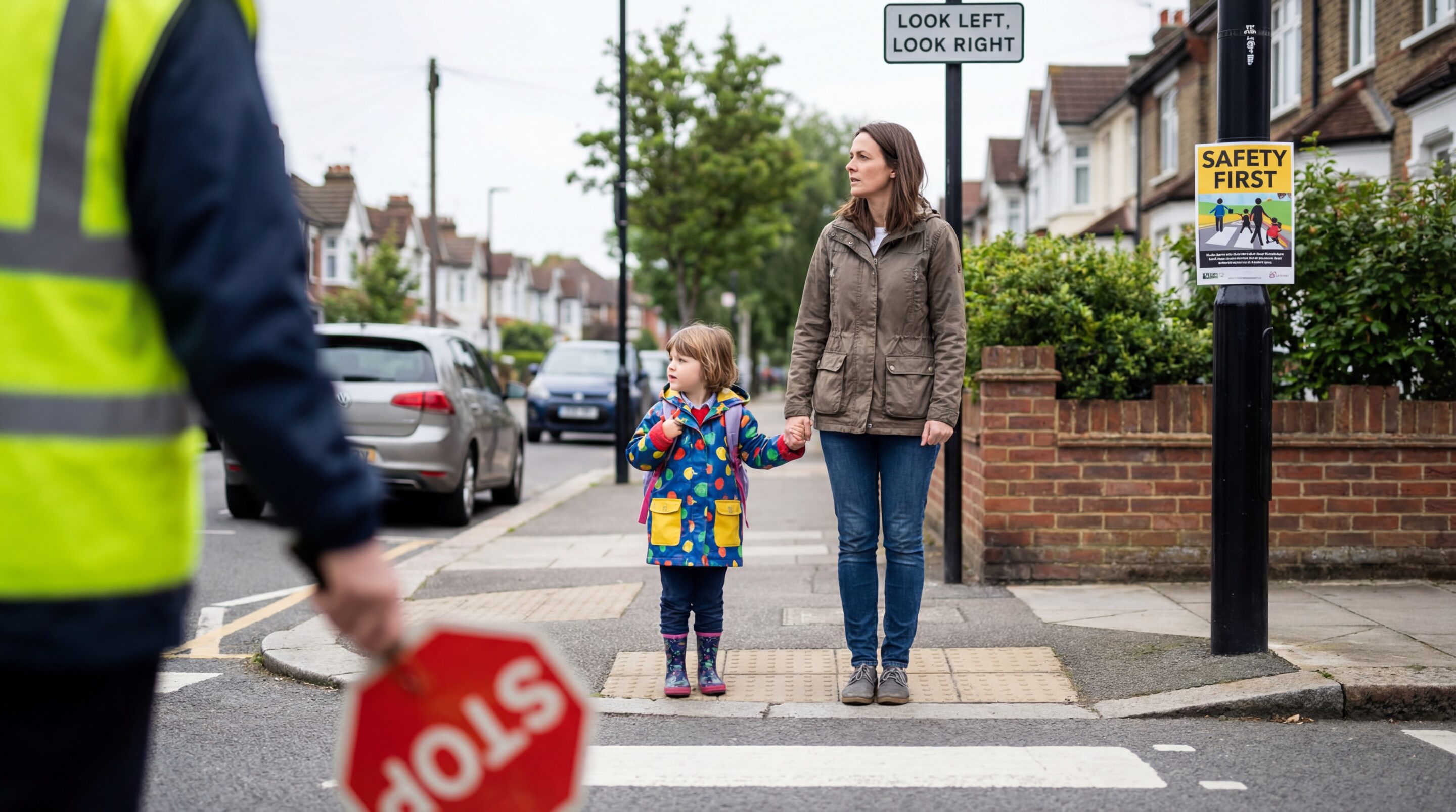
- Safely crossing the street
Tips for Supporting Safety Skill Development at Home
Supporting your child’s development in safety skills doesn’t have to happen all at once. Small steps will make a meaningful difference over time. Here are a few tips.
- Practice in a safe environment: When first teaching a safety skill, start in a safe, predictable space, like at home. As they show progress, expand to practicing in real-life situations, like on a walk or at the park.
- Reinforce success: Provide praise and encouragement when your child is successful in learning these new skills! Reinforce even the small wins.
- Shape the behavior you’re targeting: Break the skill into small, manageable steps and build gradually. To illustrate this concept, think about learning to swim. We don’t throw someone into the deep end and expect them to figure it out. We start in shallow water, practice basic movements, and slowly increase independence. You can use the concept of shaping to teach so many skills.
- Plan for repetition: Your child may not understand at first, and that’s okay. Many children need lots of exposure to a concept and hands-on practice before it clicks. Give it time and practice regularly.
- Use concise, simple language: Avoid excessive language or over-explaining. Try to keep it simple and clear.
- Use visual cues: Some children catch on quicker when vocal instructions are paired with visuals. For example, if you’re teaching your child to understand the instruction “stop,” you might hold up a picture of a stop sign. Social stories paired with role-play can be helpful as well.
- Add layers of protection: Teaching safety skills is so important, but equally important is ensuring close supervision and using environmental supports, like locks and alarms, to keep your child safe.
How ABA Therapy Supports Safety Skill Development
Teaching safety skills can feel overwhelming when trying to navigate your child’s unique learning needs while balancing everyday life. ABA therapy can offer meaningful support in this area. Trained clinicians conduct individualized assessments of risk and abilities. From there, they create a personalized treatment plan with goals that address the skills needed to keep your child safe. Best of all, through caregiver training, they can teach you how to support progress outside of therapy sessions.
At Quest Kids Therapy, the most meaningful progress happens through collaboration. You know your child best, and our team is here to support, guide, and problem-solve. By working together, we can create a plan that builds safety skills while delivering peace of mind for your family.
References
Guan, J., & Li, G. (2017). Injury mortality in individuals with autism. American Journal of Public Health, 107(5), 791-793. https://doi.org/10.2105/AJPH.2017.303696
Wiggins, L. D., DiGuiseppi, C., Schieve, L., Moody, E., Soke, G., Giarelli, E., & Levy, S. (2020). Wandering Among Preschool Children with and Without Autism Spectrum Disorder. Journal of developmental and behavioral pediatrics: JDBP, 41(4), 251–257. https://doi.org/10.1097/DBP.0000000000000780