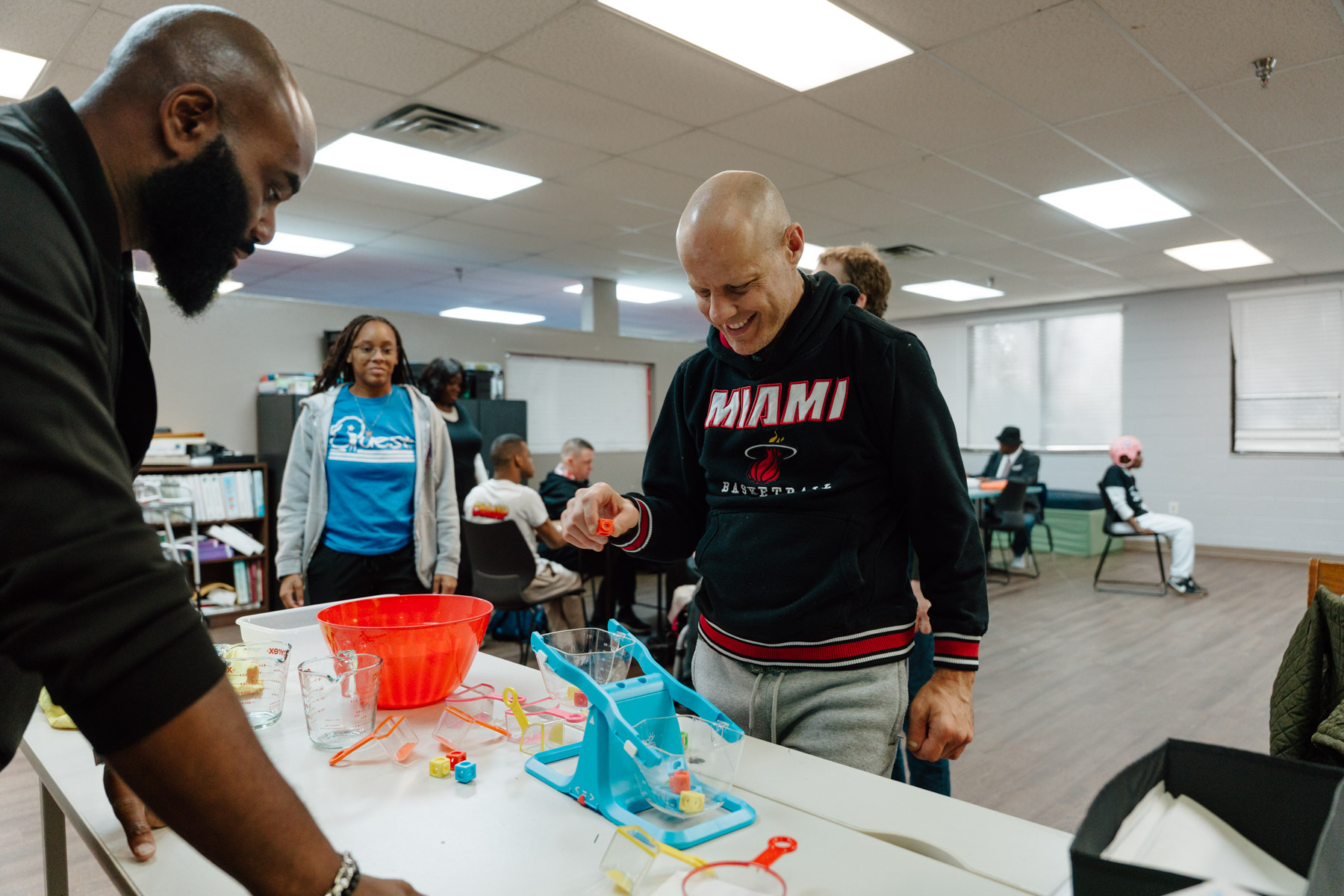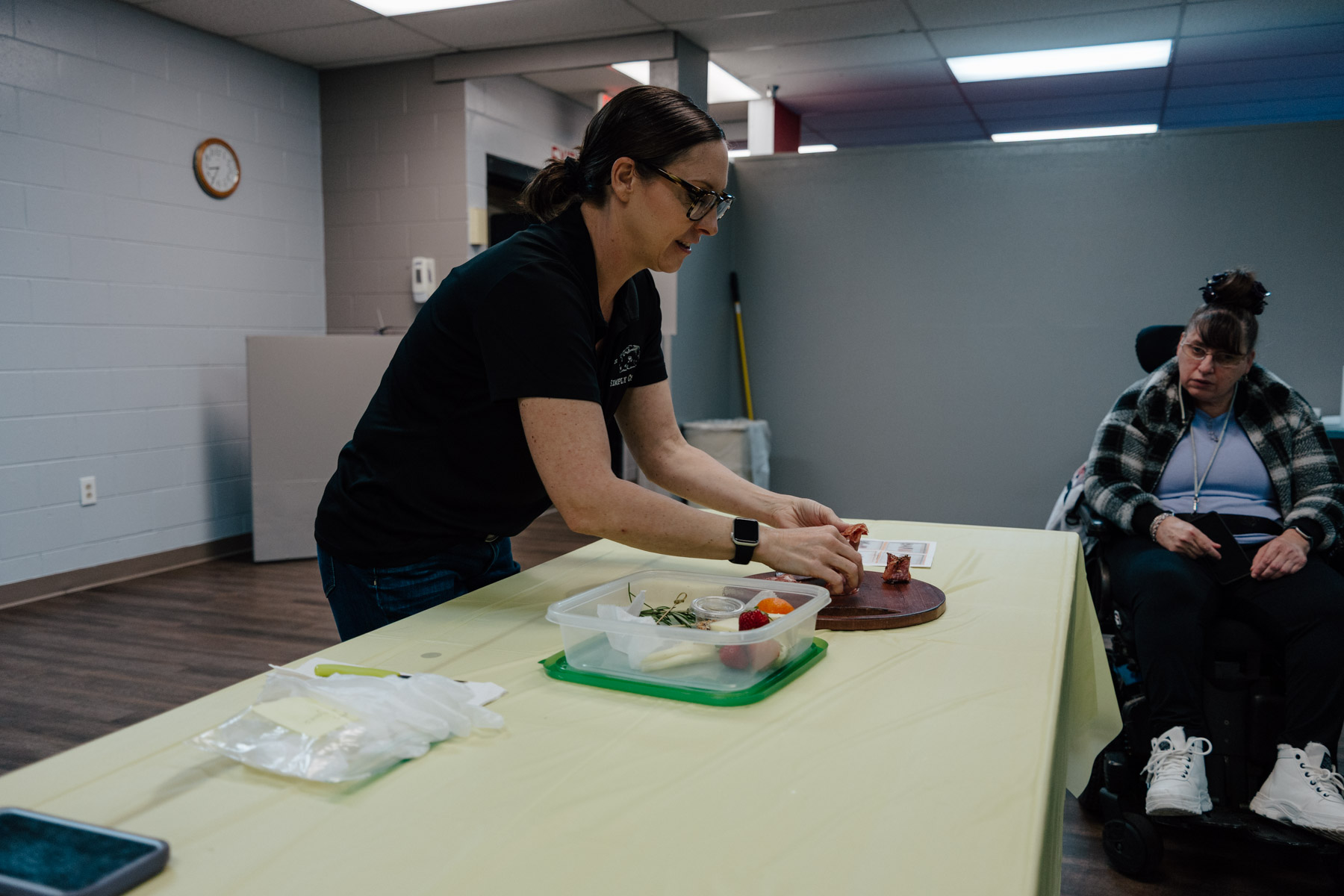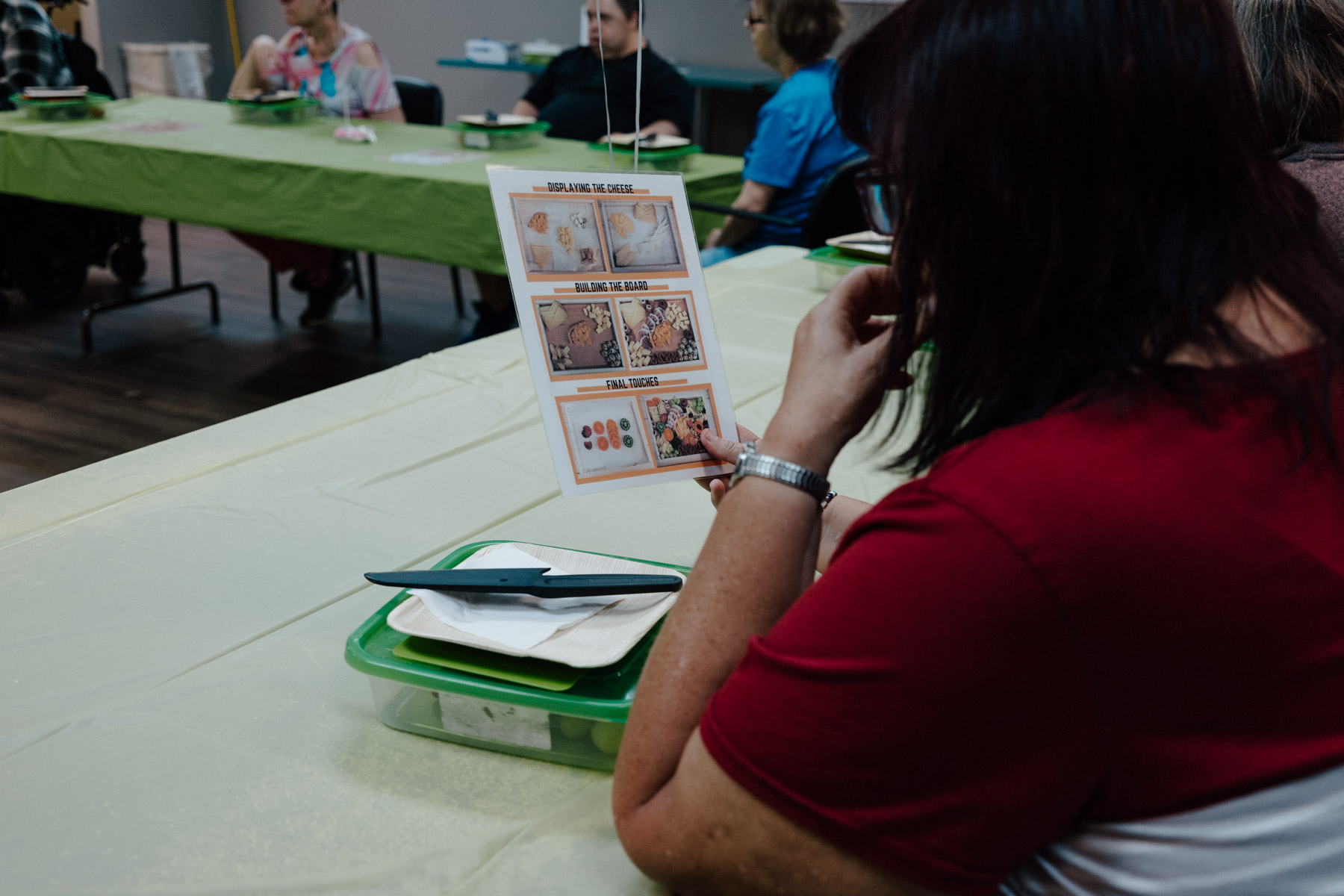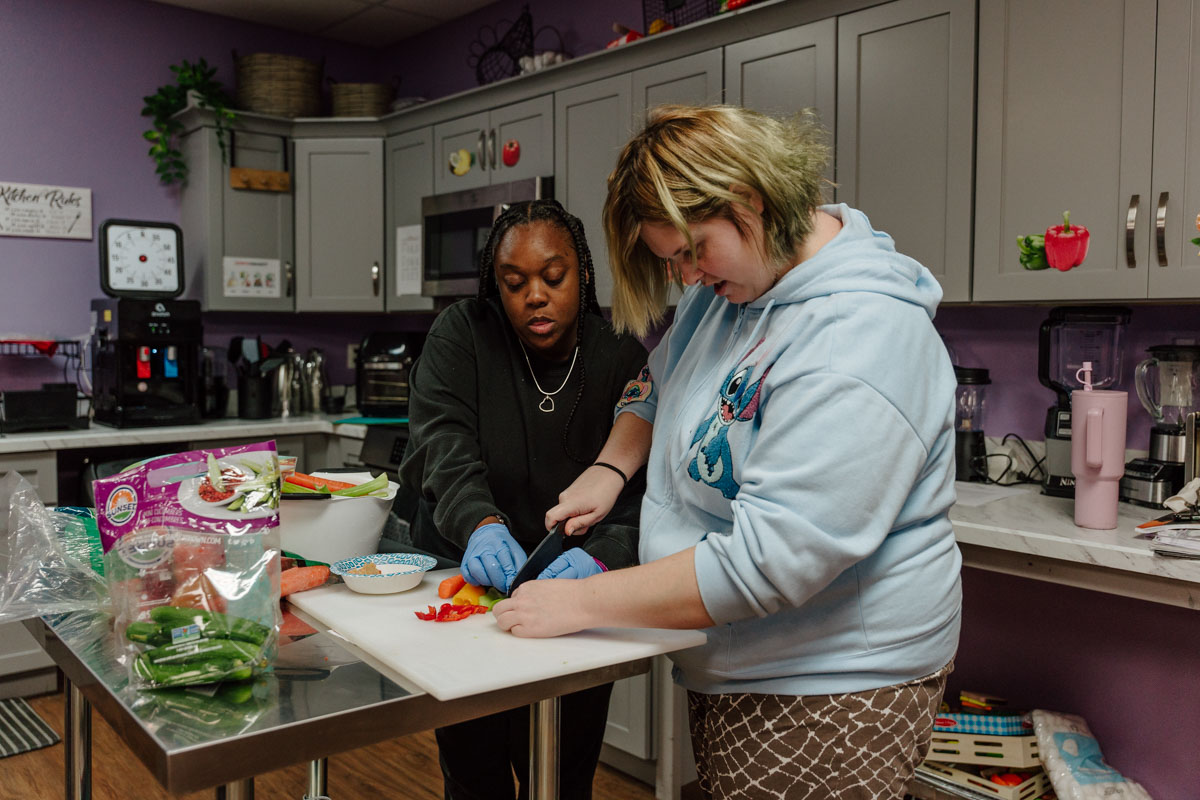
Cooking naturally blends math, motor coordination, safety awareness and decision–making. The culinary programming at Quest’s Training Centers targets these essential life skills and provides hands–on training to help adults with developmental disabilities gain greater independence.
Building Skills Through Personalized Culinary Instruction
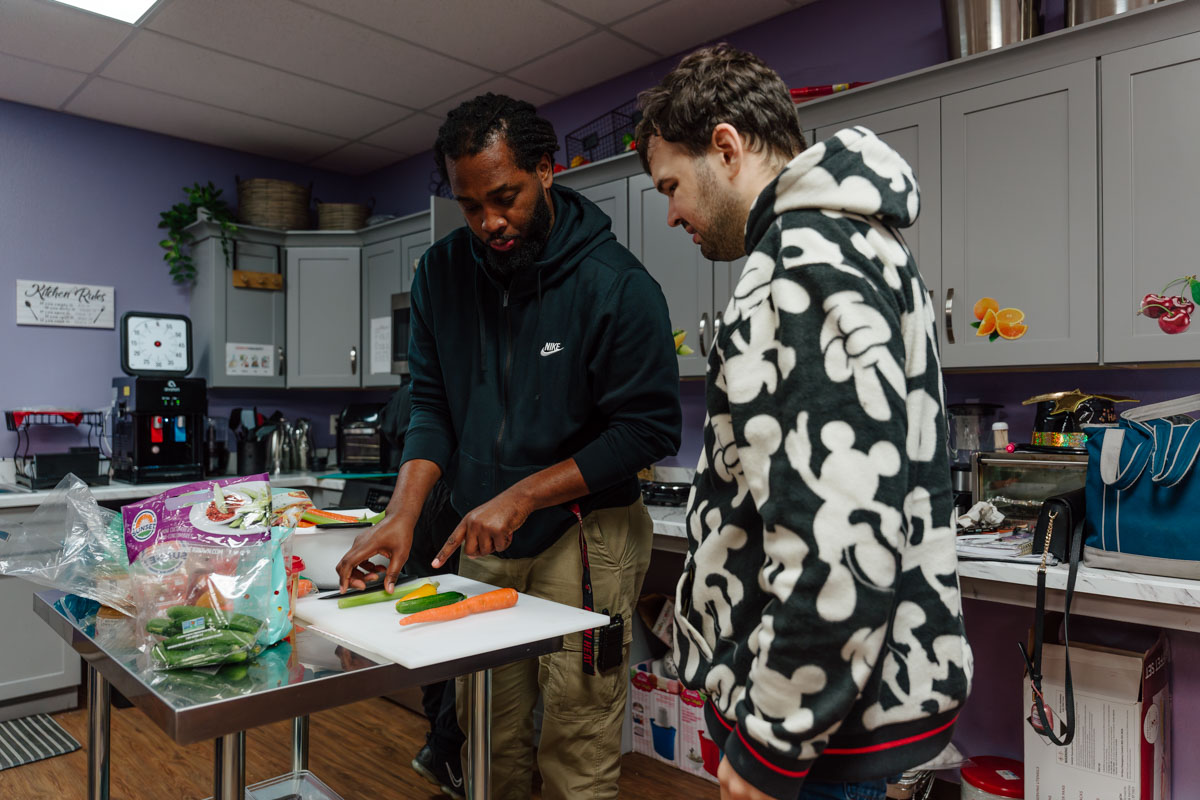
When participants join our centers, they receive a comprehensive assessment that measures their abilities across key life skills, including their engagement with cooking tasks. The results guide staff in planning culinary instruction that matches each learner’s current level while still challenging them to build toward mastery. This intentional approach to culinary education is rooted in one core belief: food is choice, and choice is agency.
“We make choices about food every day, and we want our individuals to have that same agency and control,” says Frances Torres, Quest’s director of curriculum. “In culinary, they’re making something for themselves, by themselves, and that’s powerful.”
Curriculum–aligned activities include:
- Developing key techniques, such as kitchen safety and measuring, which must be strengthened before moving on to recipes.
- Microwave–based tasks, where individuals practice reheating food safely or preparing simple items like oatmeal, popcorn or hot chocolate.
- Smoothie making, which teaches learners how to use an appliance and eventually follow multi–step visual recipes.
One of the first places we see these skills make a difference is at home, where individuals can rely less on parents or guardians because they can prepare simple meals or snacks on their own. As skills continue to strengthen, assessments are updated to reflect progress and identify the next steps in learning, including opportunities for community integration.
From Practice to Community Participation
Community integration follows a two–pronged approach: creating meaningful experiences inside the training centers and providing opportunities out in the community.
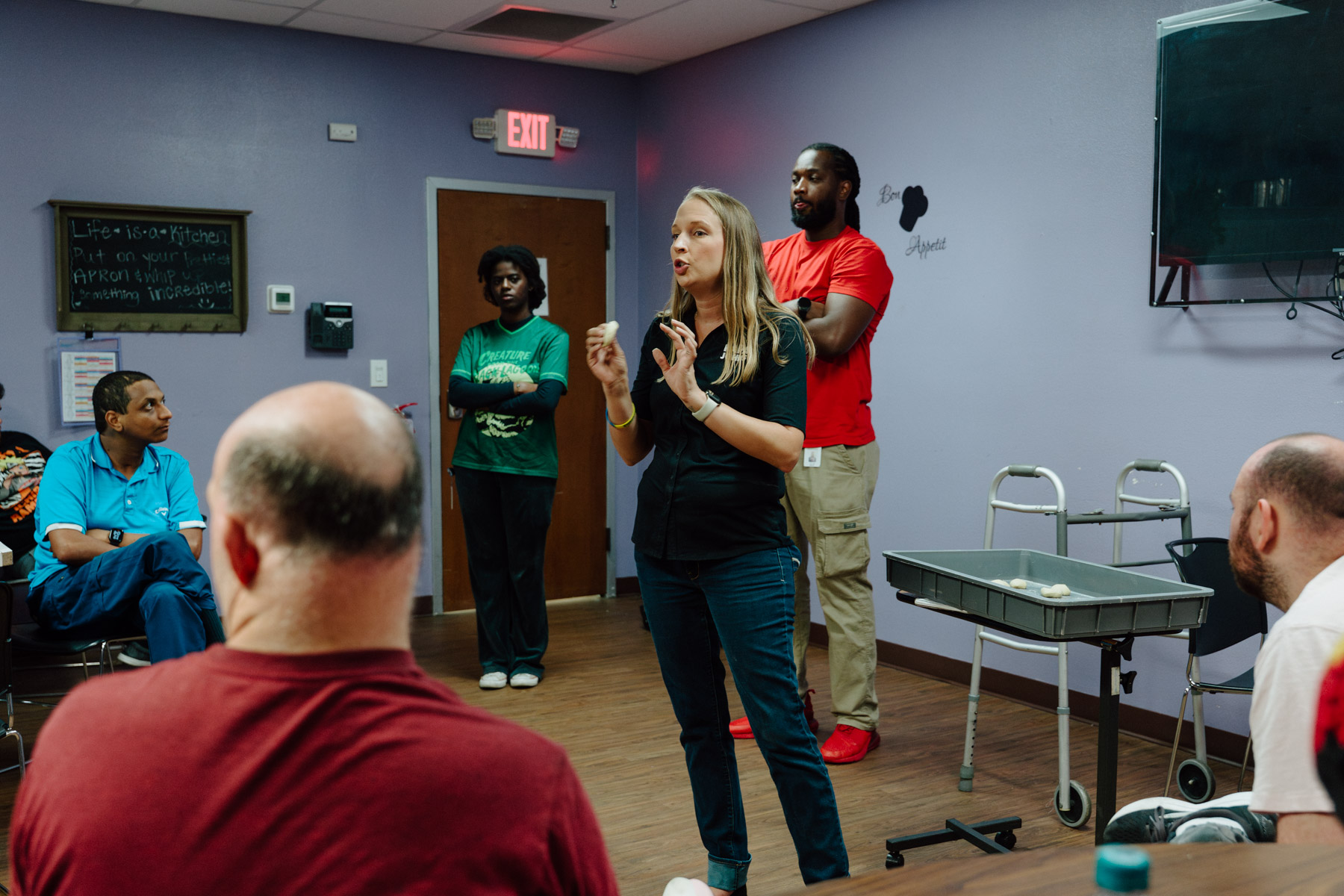
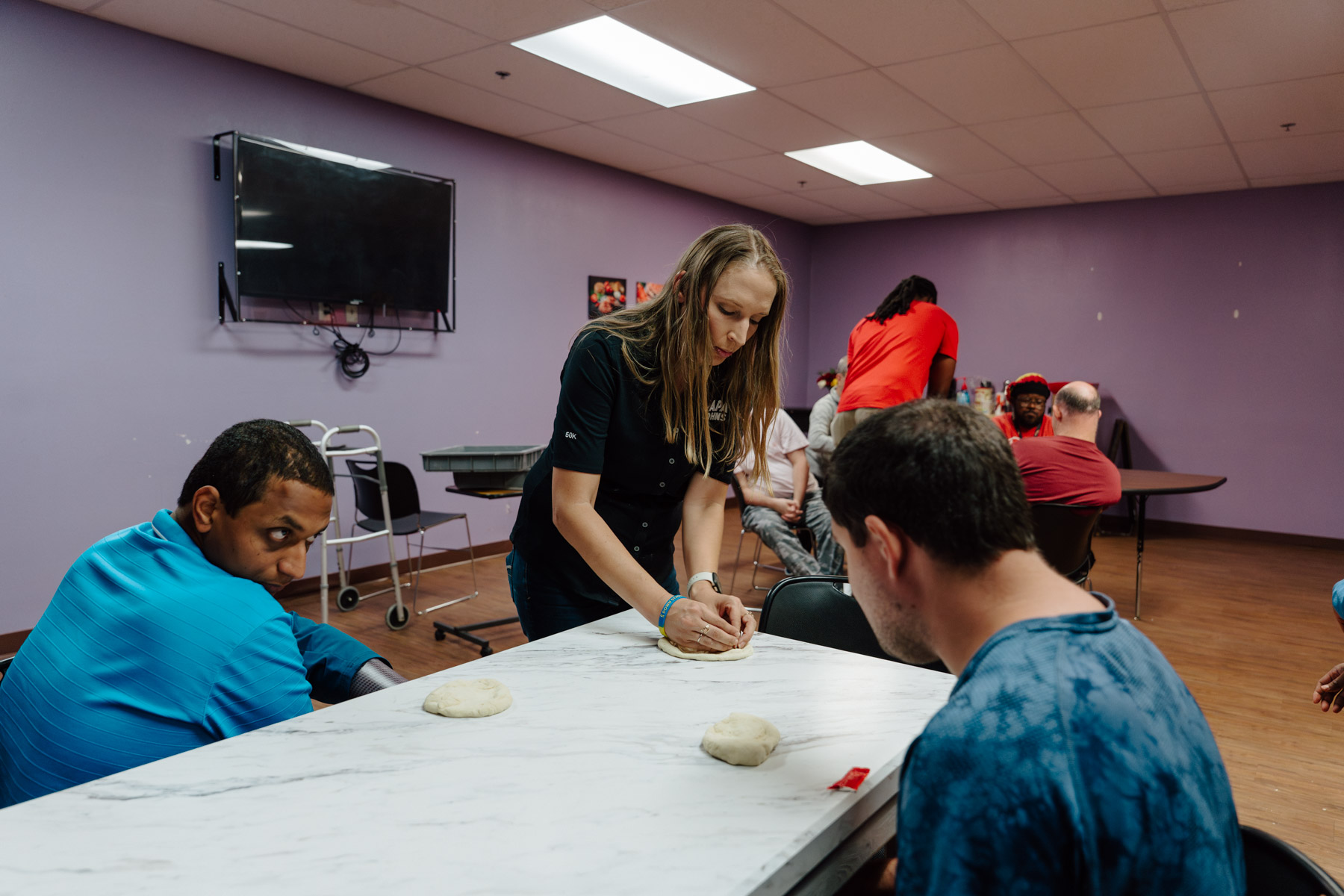
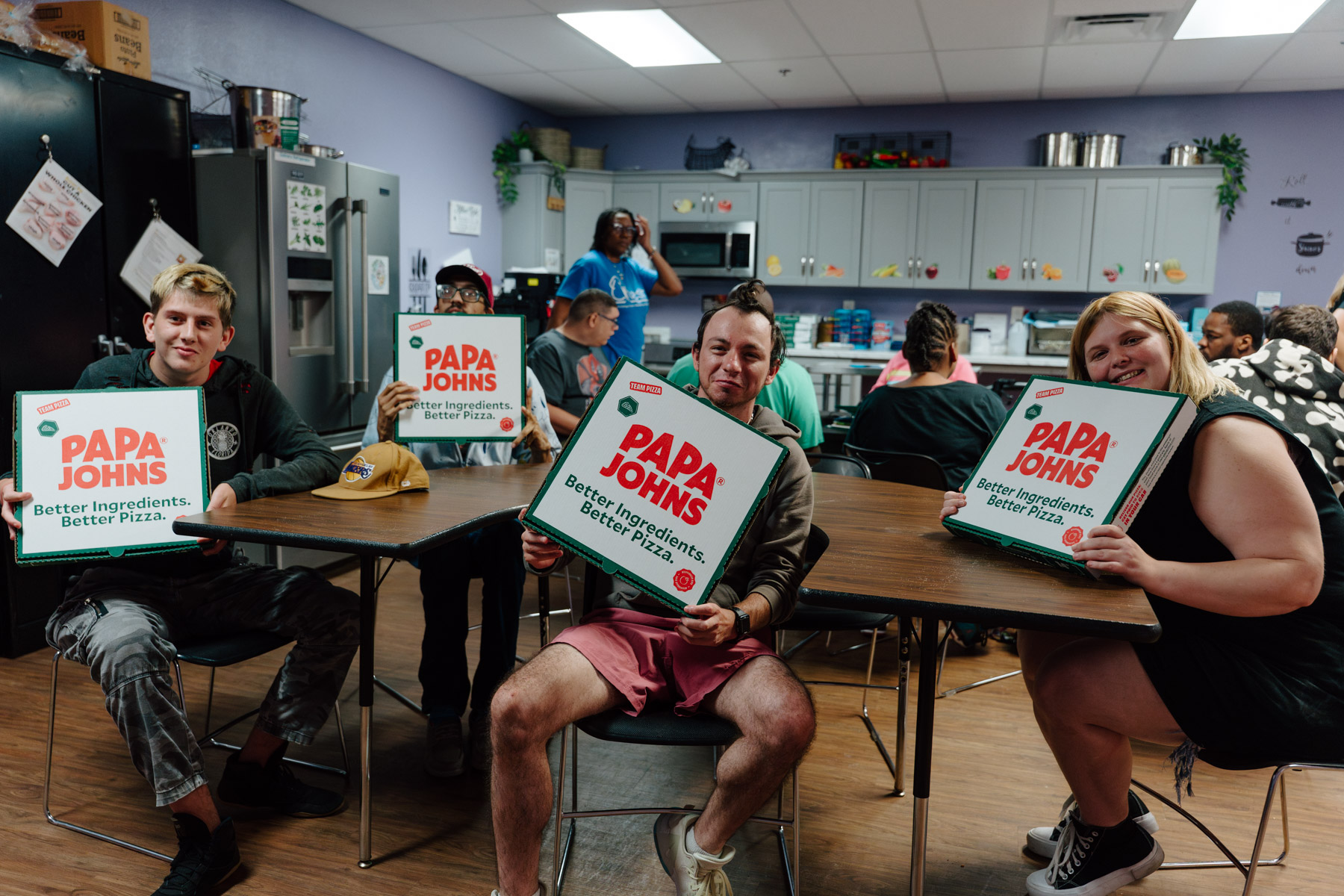
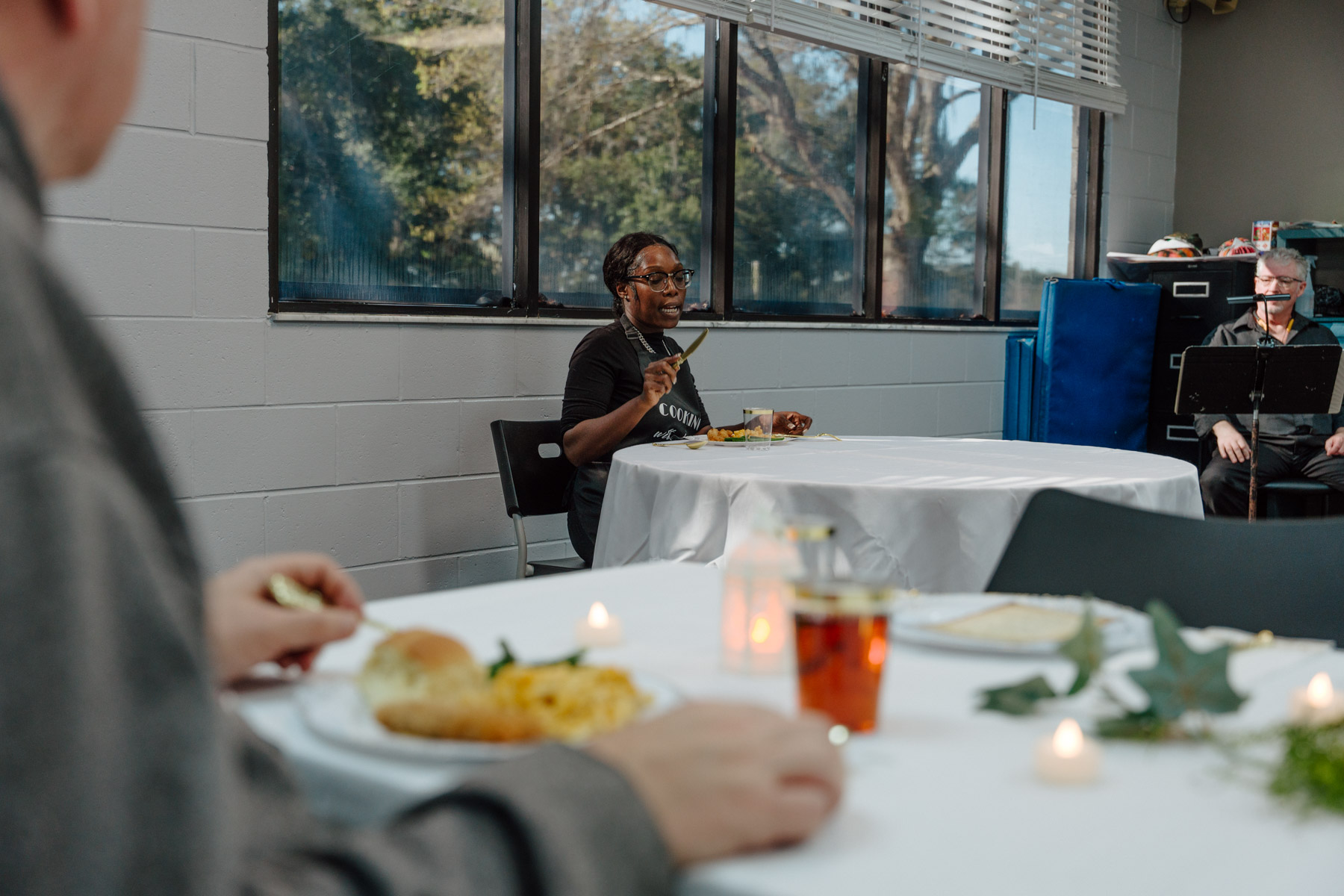
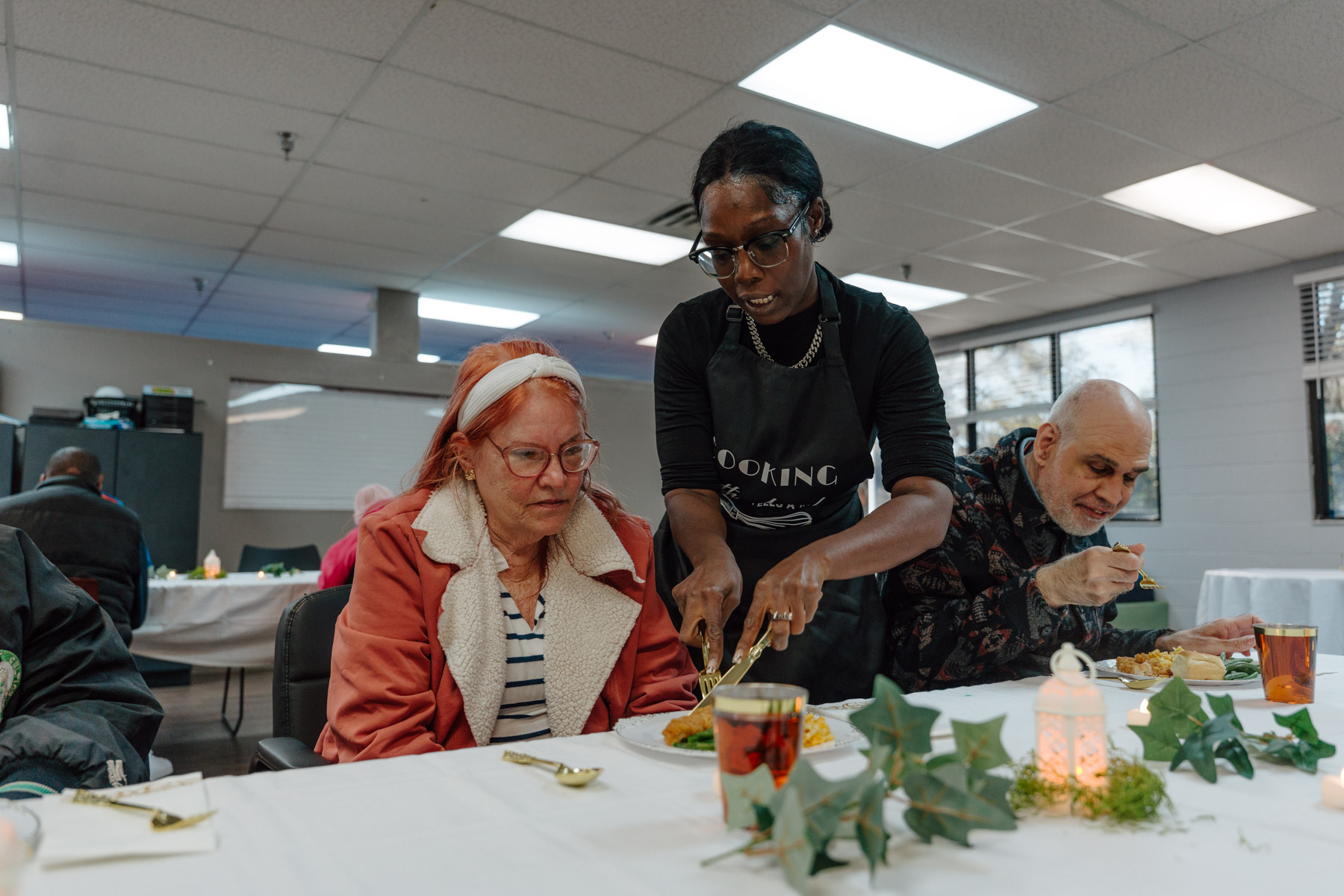
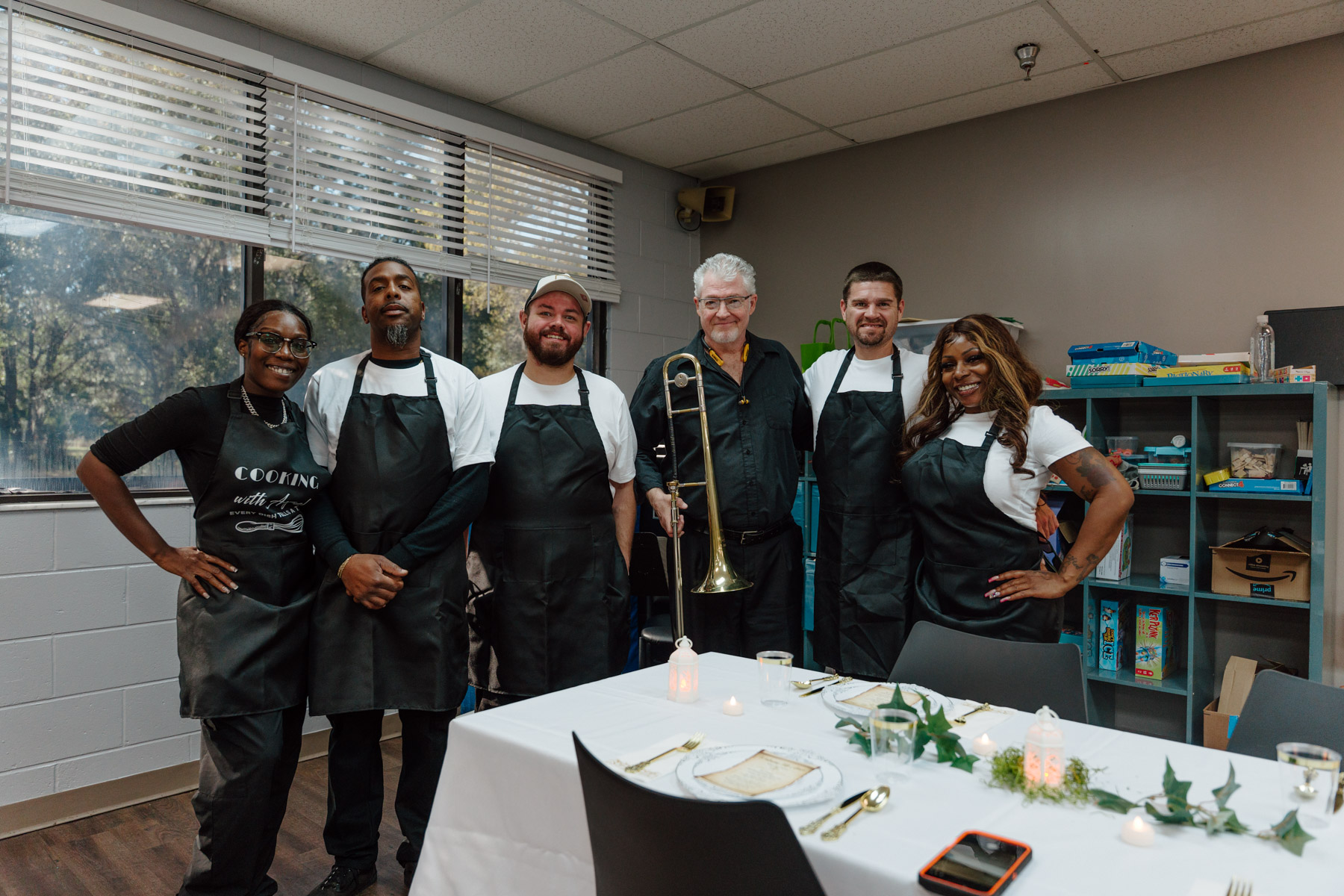
Inside the centers, volunteers and community partners lead hands–on workshops that broaden participants’ understanding of how the skills they learn in culinary class connect to everyday life. Recently, Papa Johns visited Quest’s Training Center in Tampa, where the team explained their business operations and taught participants how to make dough. At the Apopka center, staff transformed the space into a full restaurant experience, with volunteers serving learners and modeling proper dining etiquette. These in–house workshops give participants the foundation and confidence they need before stepping into community settings.
Out in the community, participants visit local restaurants, place their own orders and navigate socializing in public dining spaces. Through repeated practice, these outings help reduce anxiety around unfamiliar places and give individuals the chance to see how their skills could even lead to future opportunities in food service.
Independence That Reaches Every Part of Life
Ultimately, culinary programming supports individuals in becoming more confident and self–sufficient not just at the center, but at home and in the community. As participants become more comfortable with kitchen tools, recipes and dining environments, they begin to make healthier choices, rely less on caregivers and approach new situations with greater ease. Each experience creates a foundation for independence that helps them live a full life.
Learn more about the additional services Quest’s Training Centers provide at Quest, Inc.