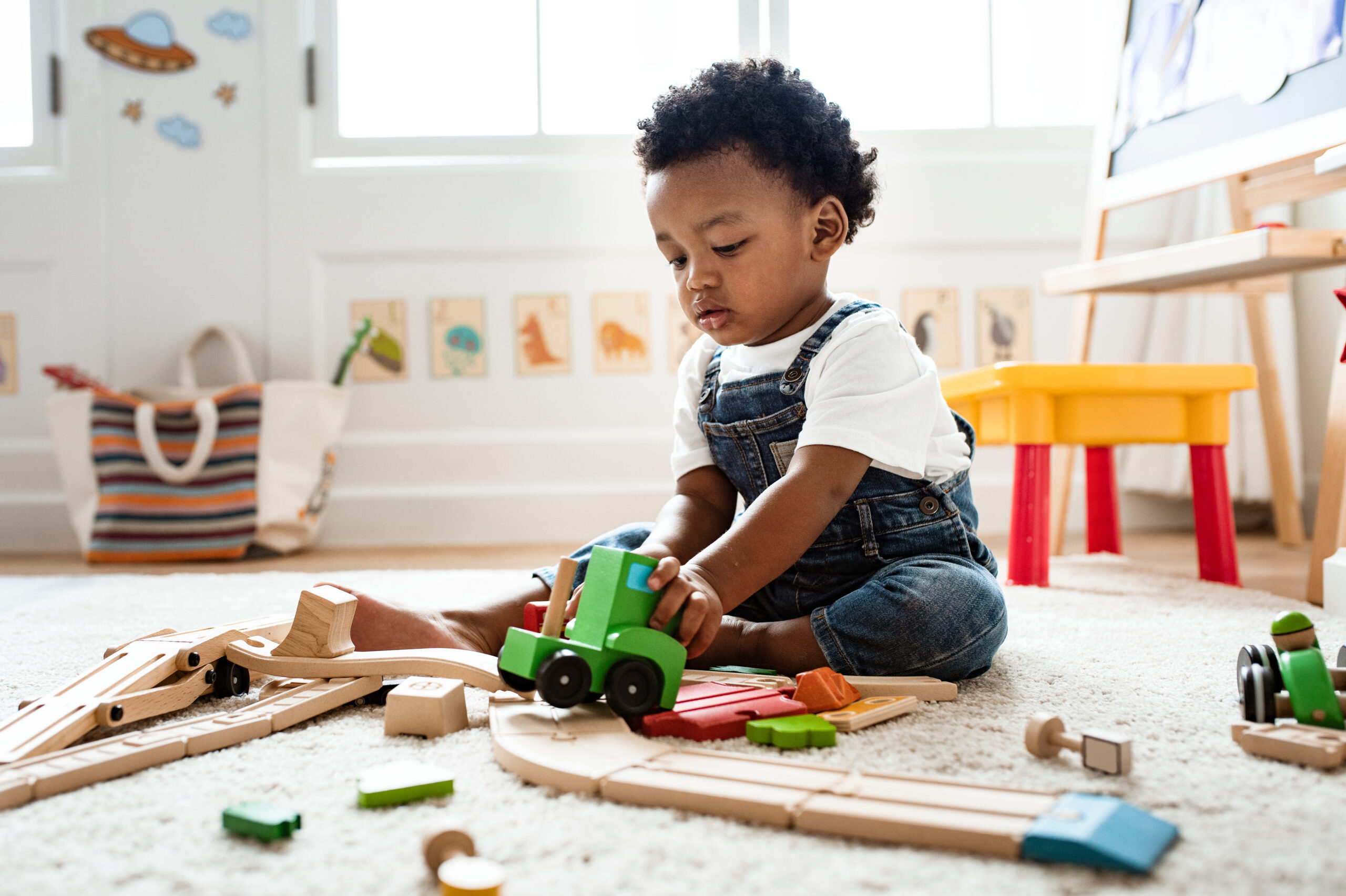
One minute, your child is calmly playing with a favorite toy. The next, they’re screaming, crying or hitting, and you’re left wondering what just happened. Challenging behaviors, like tantrums, aggression, self-injurious behavior and property destruction, can feel confusing and frustrating to parents and caregivers of children with autism. But there’s good news! As much as it may feel like it in the moment, behavior is never random.
Every behavior happens for a reason. That reason is the behavior’s function. This article will explore the functions of behavior and how understanding them allows ABA clinicians to create individualized interventions to address a learner’s specific behavioral needs.
Understanding Functions of Behavior
Behavior is anything a person says or does, from answering a question to hitting someone. A function of behavior is simply the “why” behind it. It refers to what a person is trying to gain or avoid by engaging in that particular behavior.
We all engage in behavior to meet our wants and needs, so functions of behavior aren’t specific to children with autism. The functions also aren’t about manipulation or intentional misbehavior. All behavior is a form of communication. When a child engages in challenging behavior, regardless of the function, it’s a sign that something in their environment isn’t working for them. Understanding the function allows caregivers to respond with empathy and focus on teaching new skills rather than responding with frustration.
The Relevance of the Functions of Behavior
When a child engages in behaviors that are harmful or interfere with their quality of life, it’s natural to rely on strategies many adults experienced growing up, such as timeouts, loss of privileges or scolding. While these approaches may stop behavior in the moment, they often fail to address why the behavior is happening and they don’t teach a better alternative.
Understanding the function of behavior is key to creating meaningful, lasting change. In ABA therapy, Board Certified Behavior Analysts (BCBAs) use Functional Behavior Assessments (FBAs) to identify the function of their learner’s behavior. The results are then used to develop an individualized, function-based plan that reduces challenging behavior while teaching more adaptive ways to meet the same needs.
The Four Functions
ABA researchers and clinicians have identified four main functions of behavior. Essentially, everything we do falls under one or more of the following.
1. Attention
Sometimes, people engage in behaviors to gain attention from others. This isn’t inherently a bad thing. We all seek connection or attention. For example, babies cry when they’re bored. Adults post on social media, call, or text friends and family to connect. But when the behaviors are harmful, inappropriate or otherwise interfere with daily life, they need to be addressed. In these situations, ABA clinicians support the individual in learning how to get attention in other ways, like asking someone to watch what they’re doing or to play with them.
2. Escape or Avoidance
Some behaviors are maintained by escape or avoidance. The individual engages in the behavior to get out of something they find difficult, overwhelming or unpleasant. For example, a student throws a tantrum during a lesson, resulting in their removal from class and effectively ending the lesson. Another more common example is all the behaviors we engage in while procrastinating. Imagine someone’s starting a big project at work. They’re dreading it, so they check their phone, scroll through social media and take a bathroom break. That’s the escape function in action.
3. Access to Tangibles
We engage in some behaviors to get things that we want. For example, adults drive to the store or browse the internet to buy something they want or need. Children might ask for things, whether through words or through Augmentative and Alternative Communication (AAC).
As with attention and escape, people also engage in challenging behavior to gain access to tangibles. A child might scream when they want a snack or hit when a peer has a toy they like. Again, by understanding this function, ABA clinicians can reduce the frequency of the behavior by teaching the learner an adaptive way to get their wants and needs met.
4. Automatic Reinforcement (AKA Sensory)
Lastly, some behaviors occur simply because they feel good, calming or regulating. In ABA terms, this is called automatic reinforcement, meaning the behavior itself is reinforcing and doesn’t rely on other people to continue. For example, many people bite their nails to cope with anxiety, boredom, or stress.
Self-stimulatory behaviors, also called “stimming,” are a common example and something many people attribute to people with autism. For example, they may repetitively flap their arms, spin, hum or rock back and forth. However, stimming isn’t exclusive to autism. We all have self-stimulatory behaviors that help us regulate emotions, cope with stress or simply feel enjoyment.
Behavior as a Window into Your Child’s Needs
Every behavior your child exhibits happens for a reason, even when it’s not immediately evident. A trained behavior analyst can analyze their behavior relative to what happens before and after to figure out the function. With a function-based behavior intervention plan (BIP), you and your child’s therapy team can work together to promote meaningful behavioral changes.