
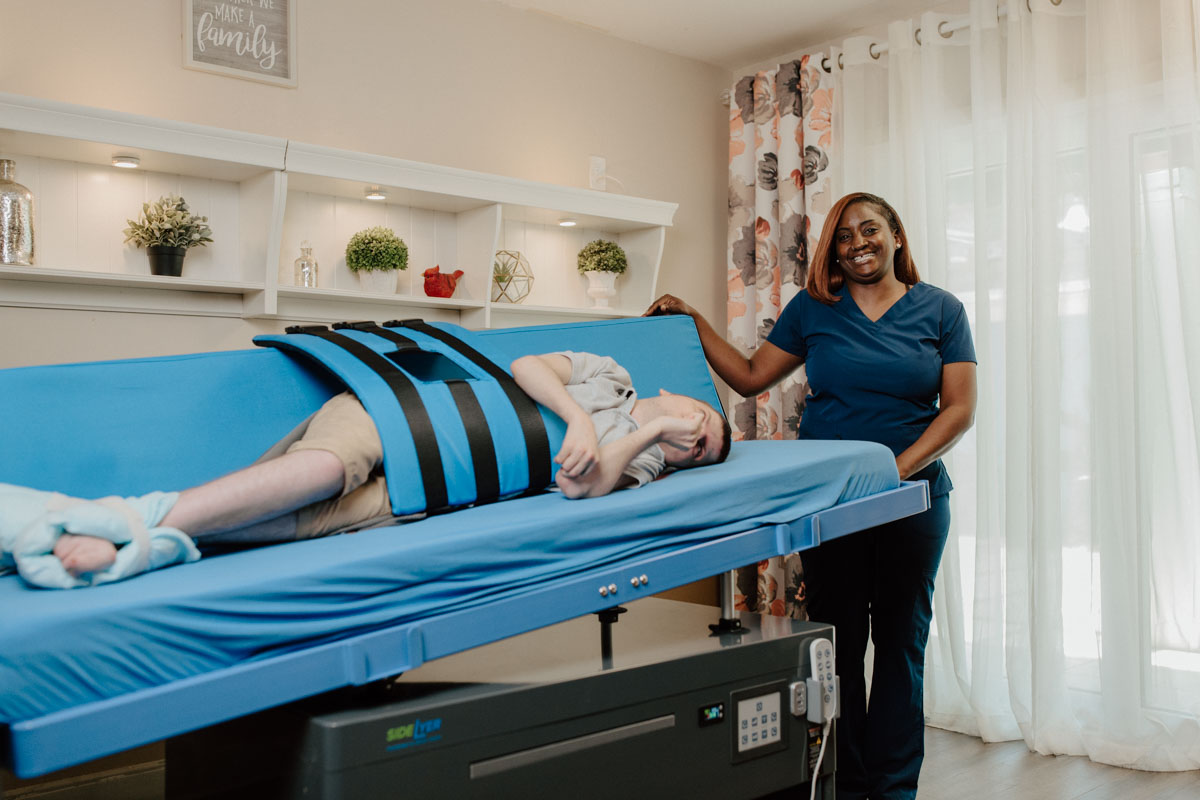
SideLyer, a motorized repositioning system developed by Quest, Inc., was recently featured in the Orlando Business Journal for its growth and potential impact across health care settings.
A Solution Built from Experience
Quest created SideLyer to address a persistent challenge, as many individuals it serves could not be repositioned manually and faced the risk of pressure injuries. In the 1990s, staff partnered with a carpenter to build the first SideLyer — a custom wooden frame that used angled positioning to reduce strain and support safer care.
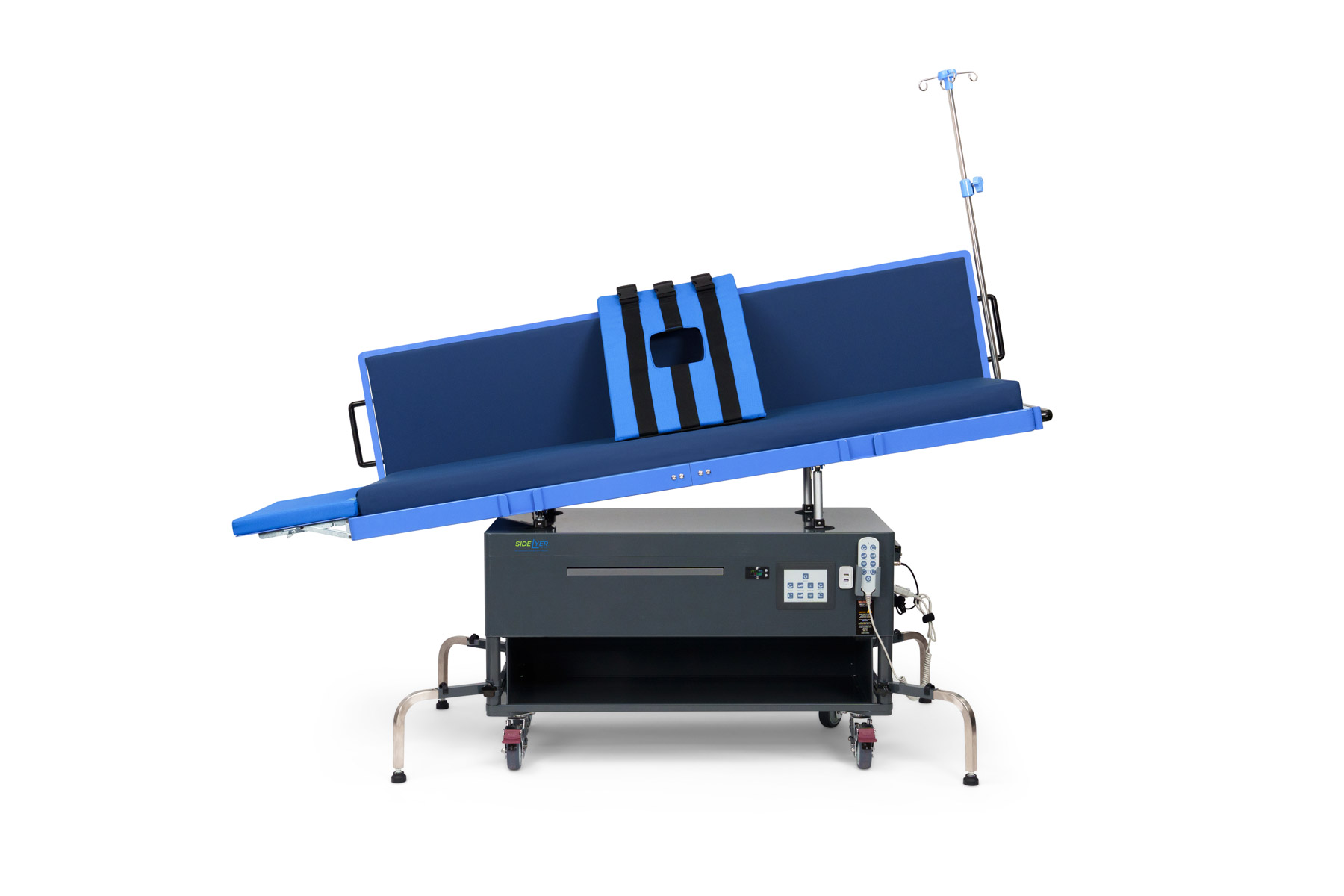
Over time, that early solution evolved through multiple generations into today’s battery-powered system, shaped by caregiver input and real-world use.
SideLyer is designed to support controlled, ergonomic repositioning, helping reduce physical strain on caregivers while maintaining comfort and dignity for those served.
It also supports more consistent positioning routines, which are essential not only for physical health but for quality of life, allowing individuals to remain engaged and included in daily activities rather than isolated.
Supporting Care Teams and Expanding Impact
SideLyer is now in use within Quest programs and by organizations across Florida and the country, including nursing homes and rehabilitation settings.
As a wholly owned subsidiary of Quest, SideLyer extends a solution developed through direct service to a broader network of providers. The device is designed to support safe patient handling, reduce caregiver strain and contribute to more efficient operations.
Revenue generated through SideLyer helps reinvest in Quest’s mission to help people with developmental disabilities experience a full life.
Meeting a Growing Need
Health care providers continue to seek solutions that promote safer care for both patients and staff. Consistent, controlled repositioning plays an important role in maintaining comfort and dignity while supporting overall well-being.
SideLyer is designed to support these efforts by helping caregivers reposition individuals more safely and with less physical strain. Its ergonomic design helps reduce the risk of injury during routine care activities, while integrating into existing repositioning protocols to promote more consistent workflows.
For organizations, this approach can also help reduce operational risk over time. By supporting safer patient handling practices and more efficient care routines, SideLyer aligns with broader goals around staff safety, cost control and quality outcomes.
The Orlando Business Journal article provides additional detail on SideLyer’s development, patents and future plans. Please note the full story is behind a paywall.
Connect with Quest!
Sign up for Quest’s monthly newsletter to get updates on programs, events and ways to support our mission.