Traditional financial literacy lessons can feel overwhelming or abstract for some adults with developmental disabilities. Many do not directly manage their monthly income, making it difficult to connect with traditional budgeting frameworks. At Quest’s Training Centers, participants build foundational financial literacy skills by managing discretionary spending limits through community outings.
Turning Budgeting Lessons into Real-Life Skills
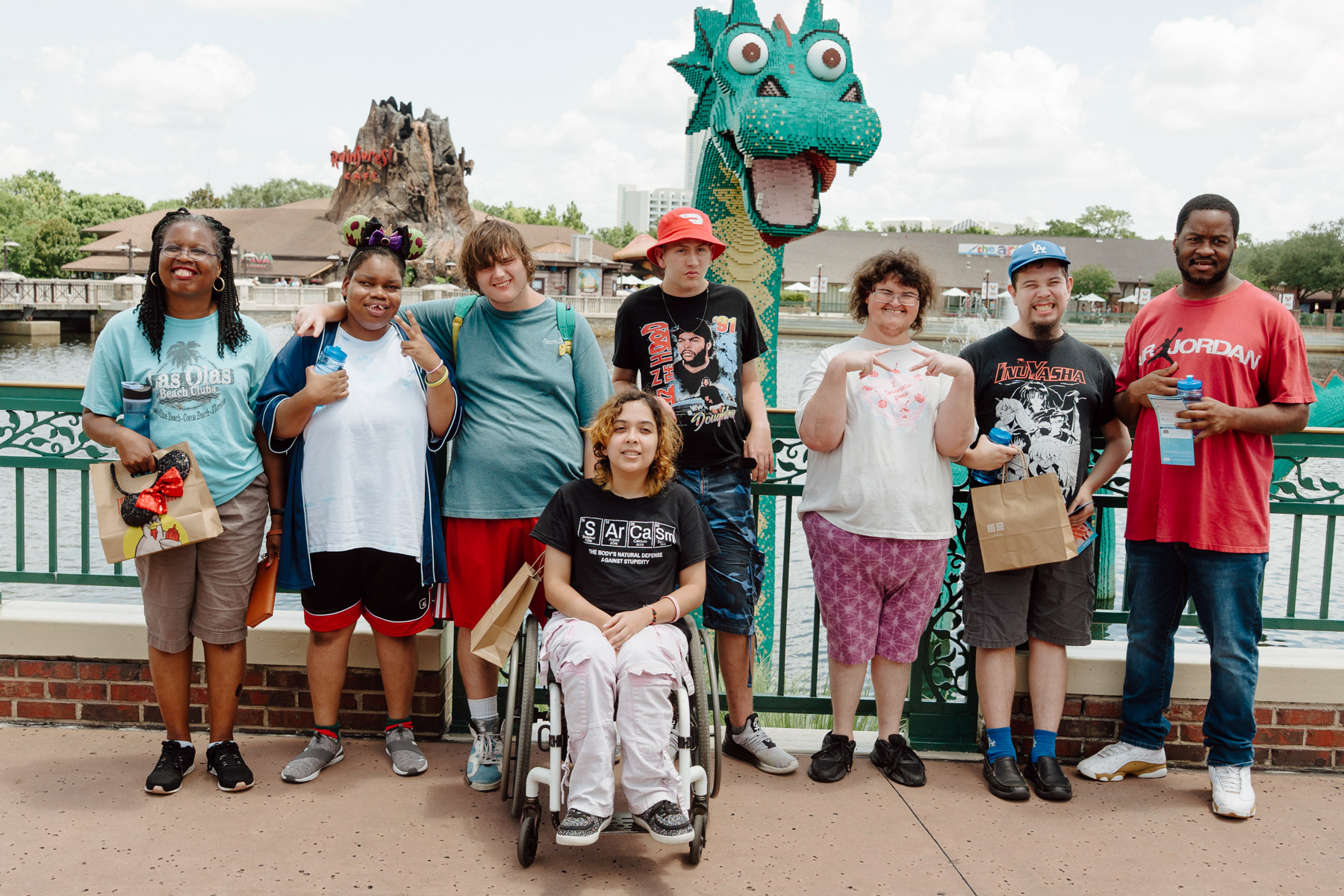
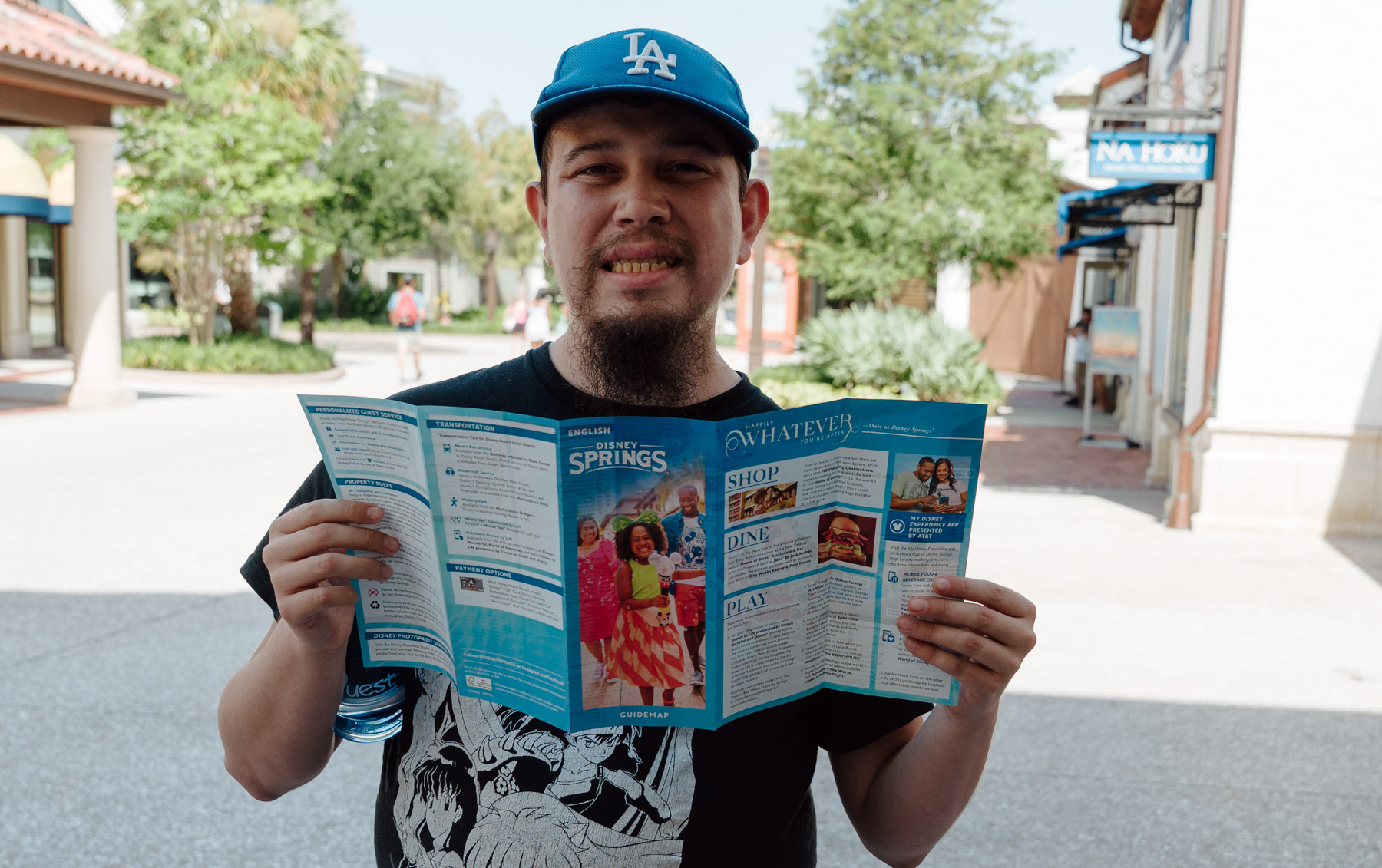
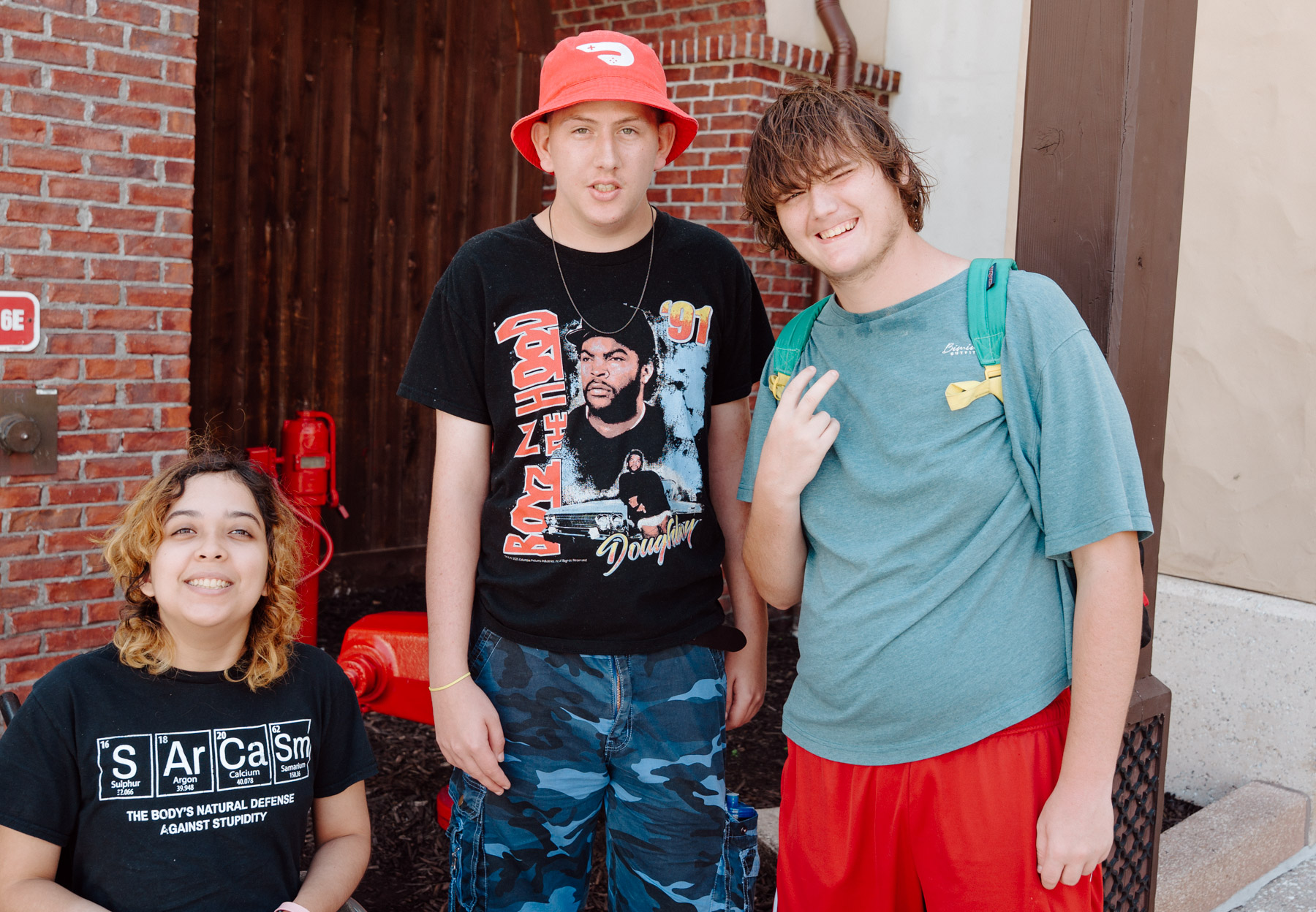
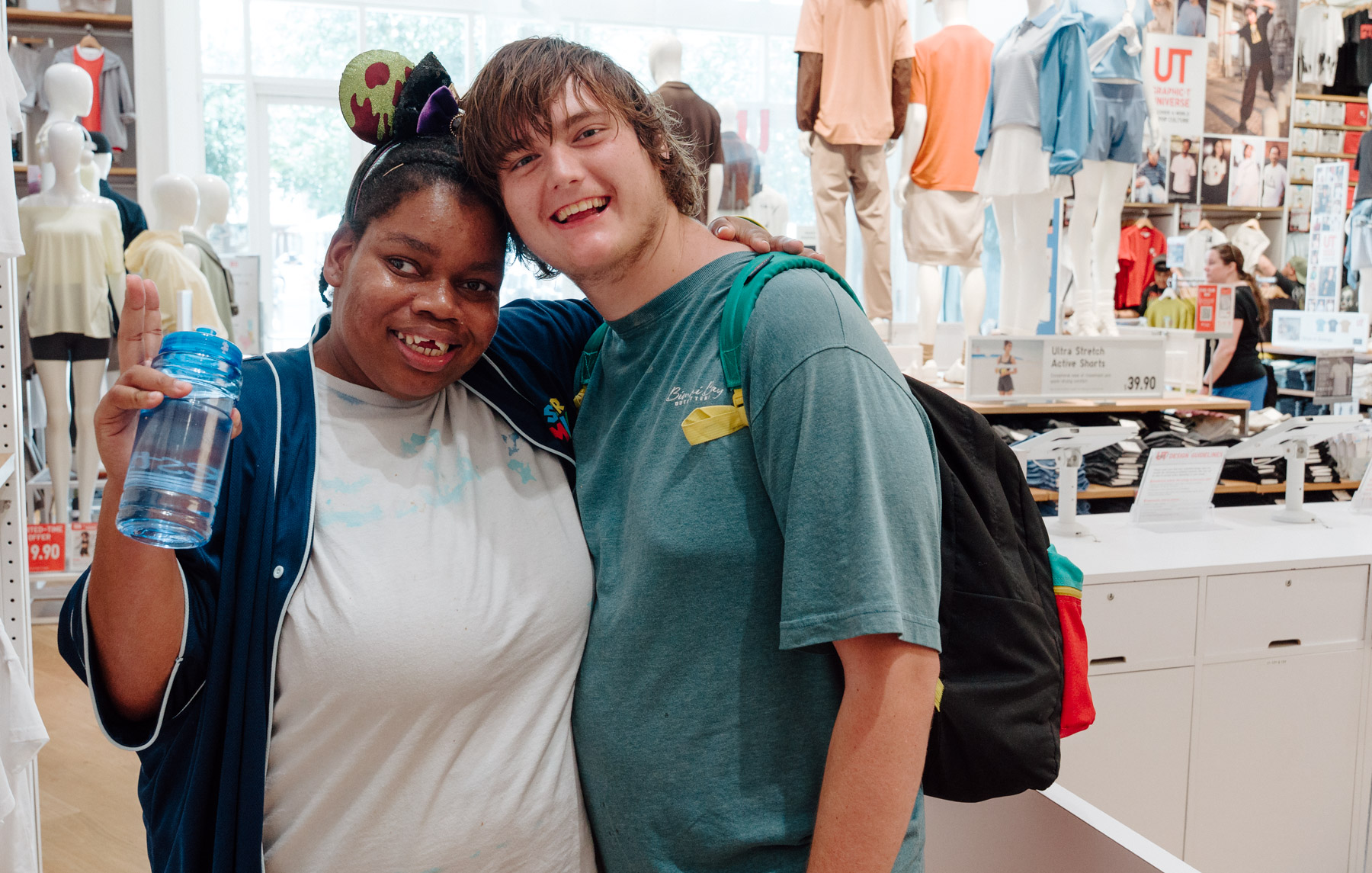
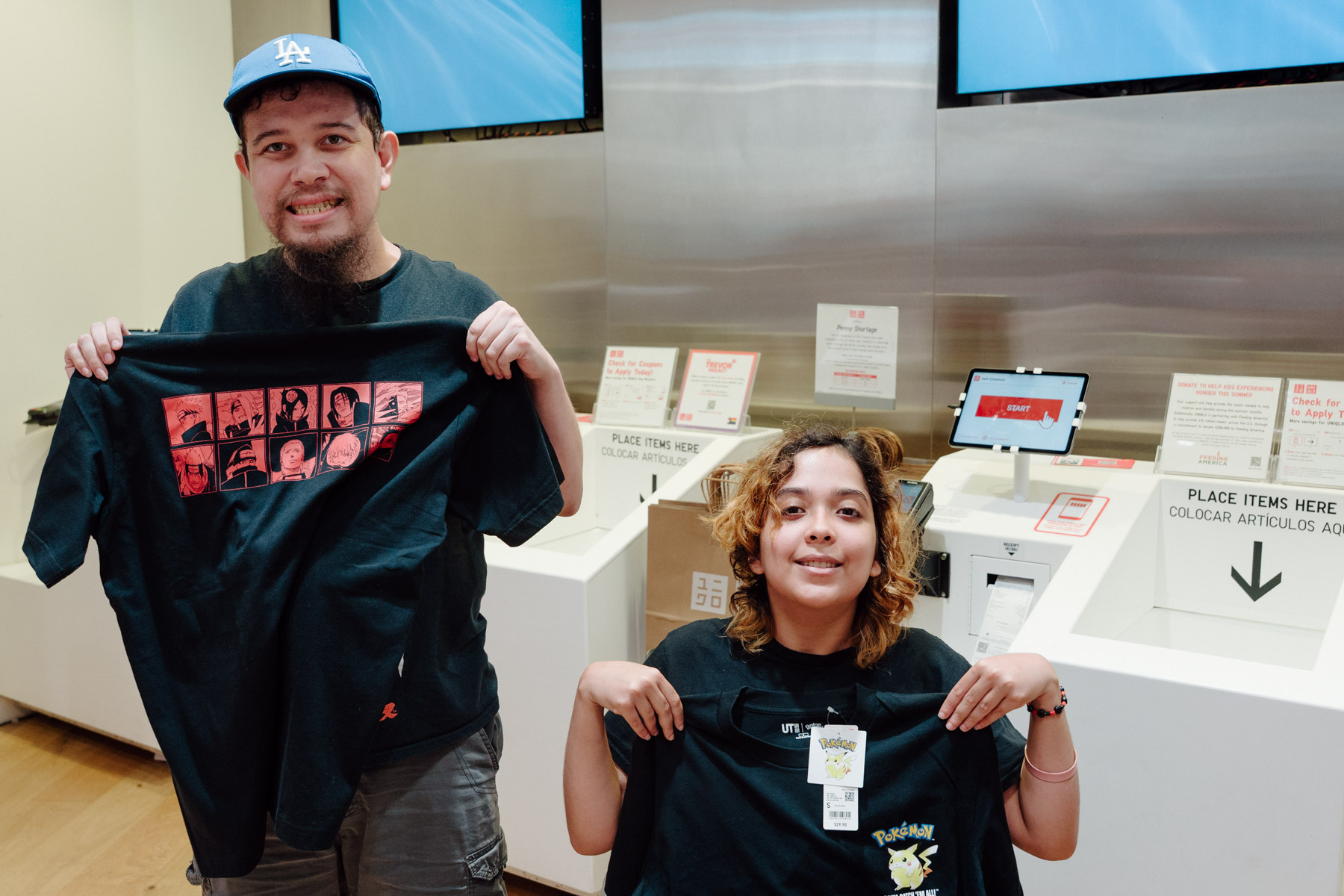
Thanks to support from Truist, participants at Quest’s Training Center in Tampa recently had the opportunity to visit Disney Springs to apply the financial literacy skills they have been developing. Participants have been practicing budgeting basics through restaurant outings and other single-spend events in the lead-up to this outing.
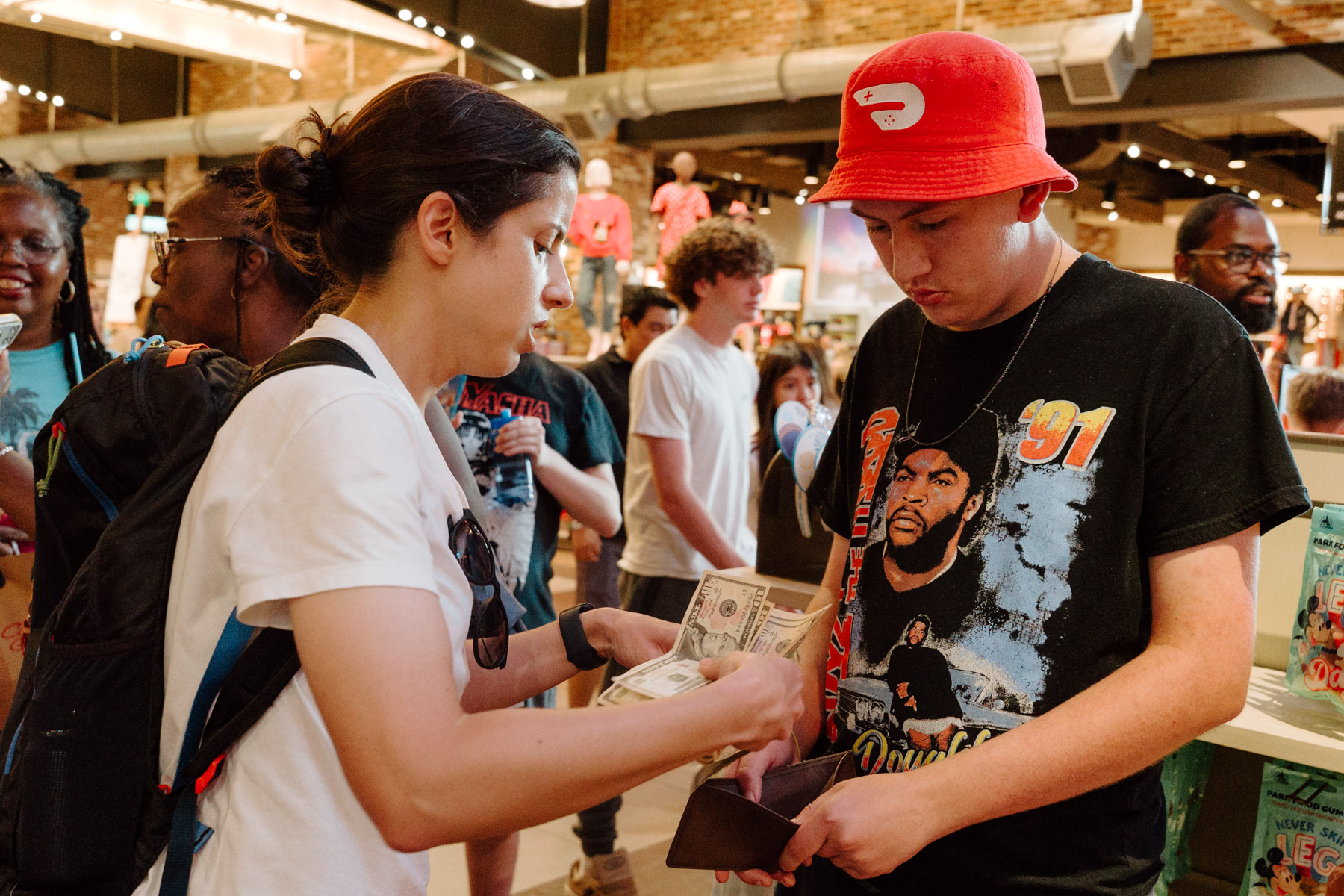
Each experience allows participants to use a planning tool to map out their intended purchase and calculate their spending. Clients explored menus and options and consistently stayed within their planned budgets.
“When we gave them their wallets with cash and their IDs, they lost it. A few started screaming because they couldn’t believe it,” says Frances Torres, Quest’s director of curriculum. “It was a powerful reminder that the everyday routine experiences we take for granted are what our individuals want the most.”
After each outing, participants returned to the training center to reflect on their decisions. They reviewed their planning tools, recorded their actual spending, attached receipts and compared outcomes. This process helped them evaluate whether they followed their budgets and reinforced key financial literacy skills through repetition.
Building Confidence through Practice and Generalization
The trip to Disney Springs followed a similar structure but introduced a new challenge — prioritizing spending across multiple locations throughout the day. This scenario required them to think critically about trade-offs. Should they spend more money upfront, or save it for later in the day?
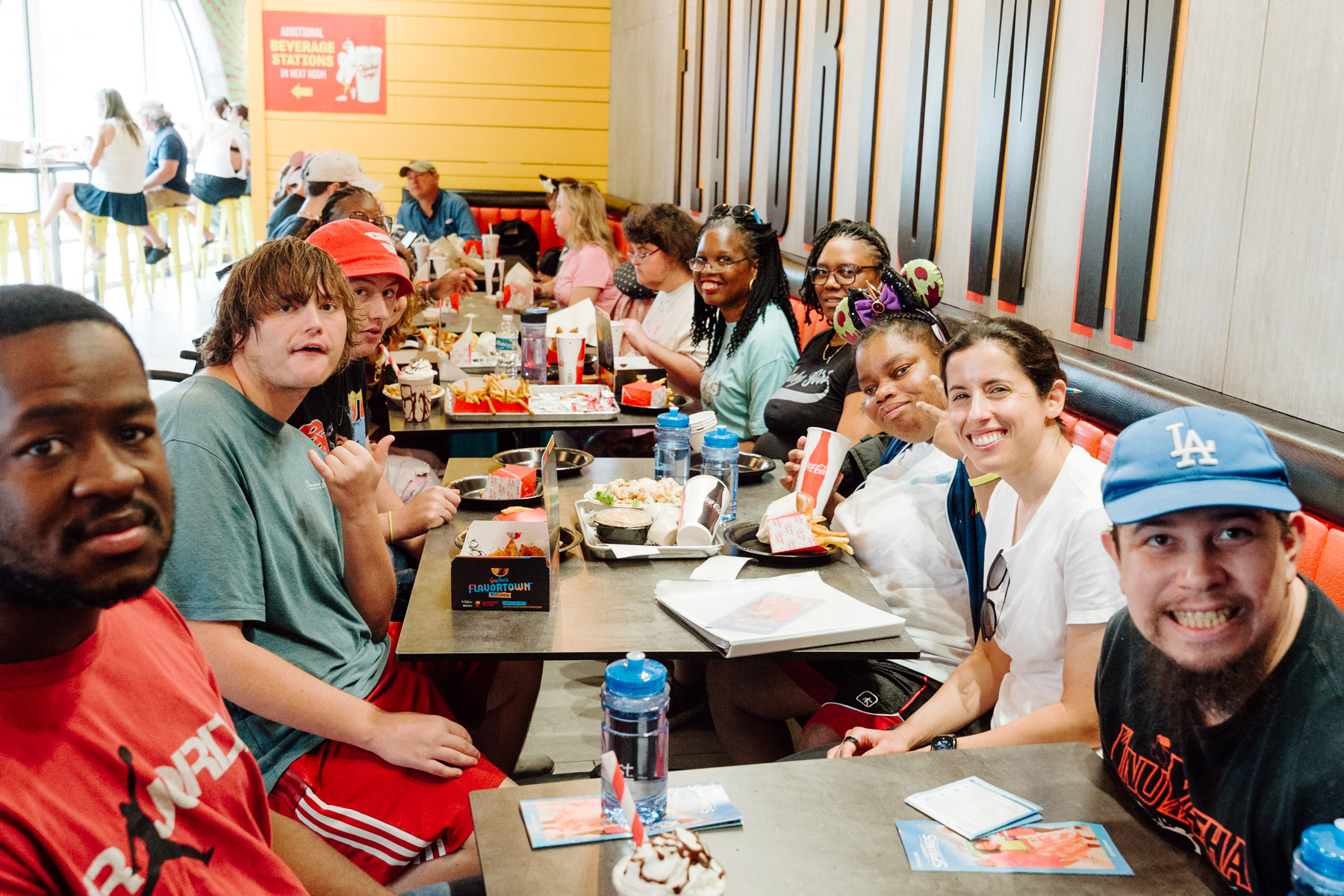
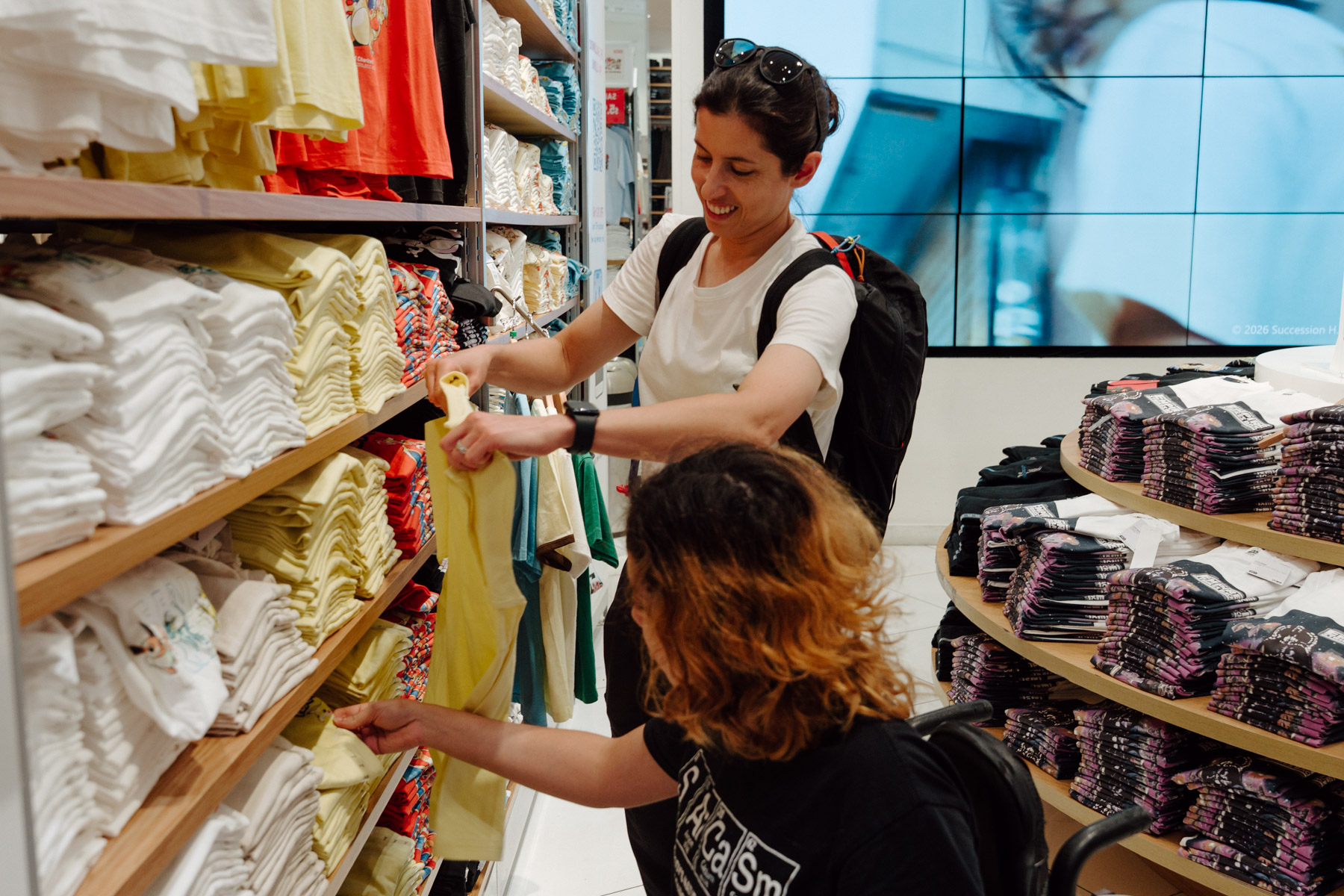
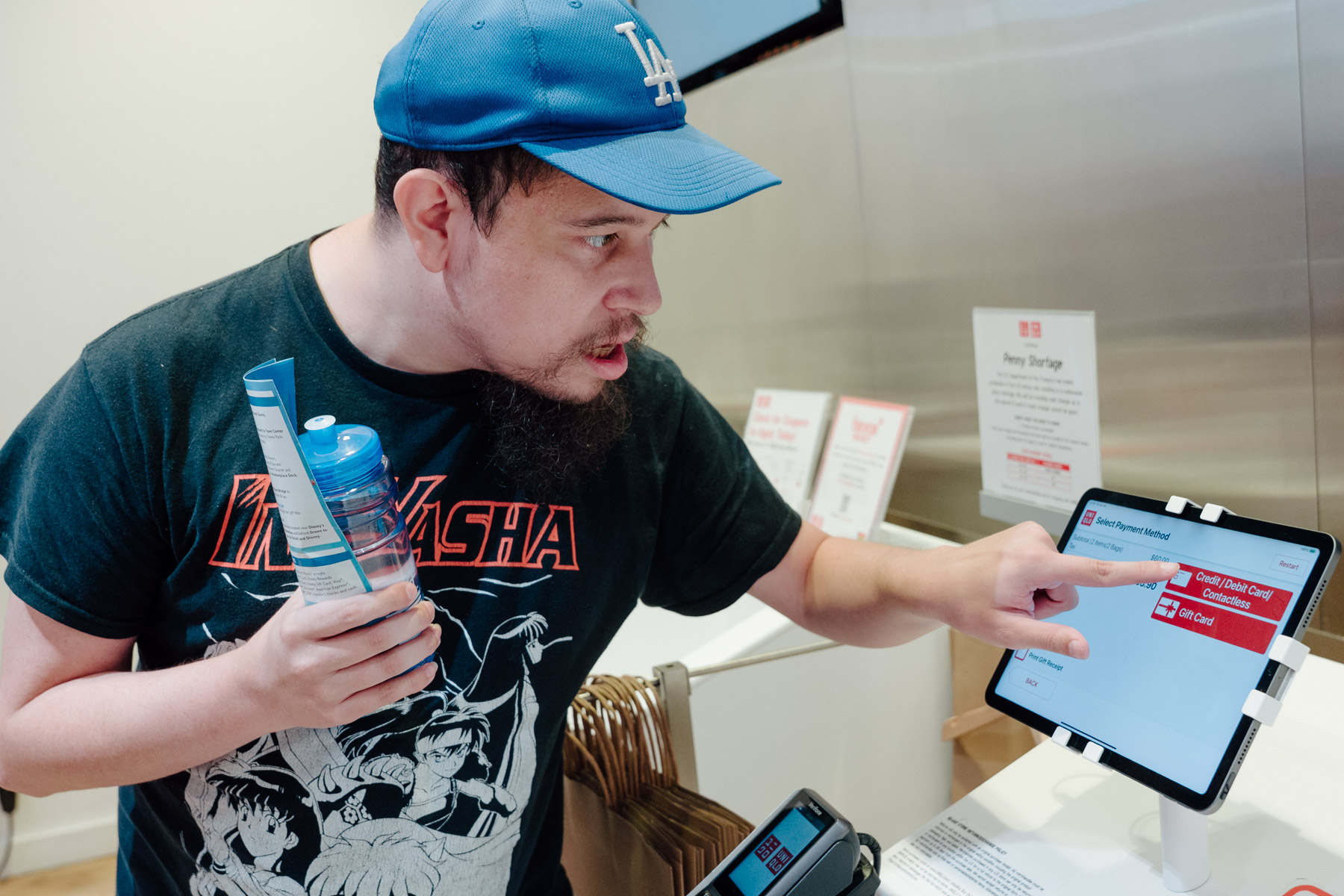
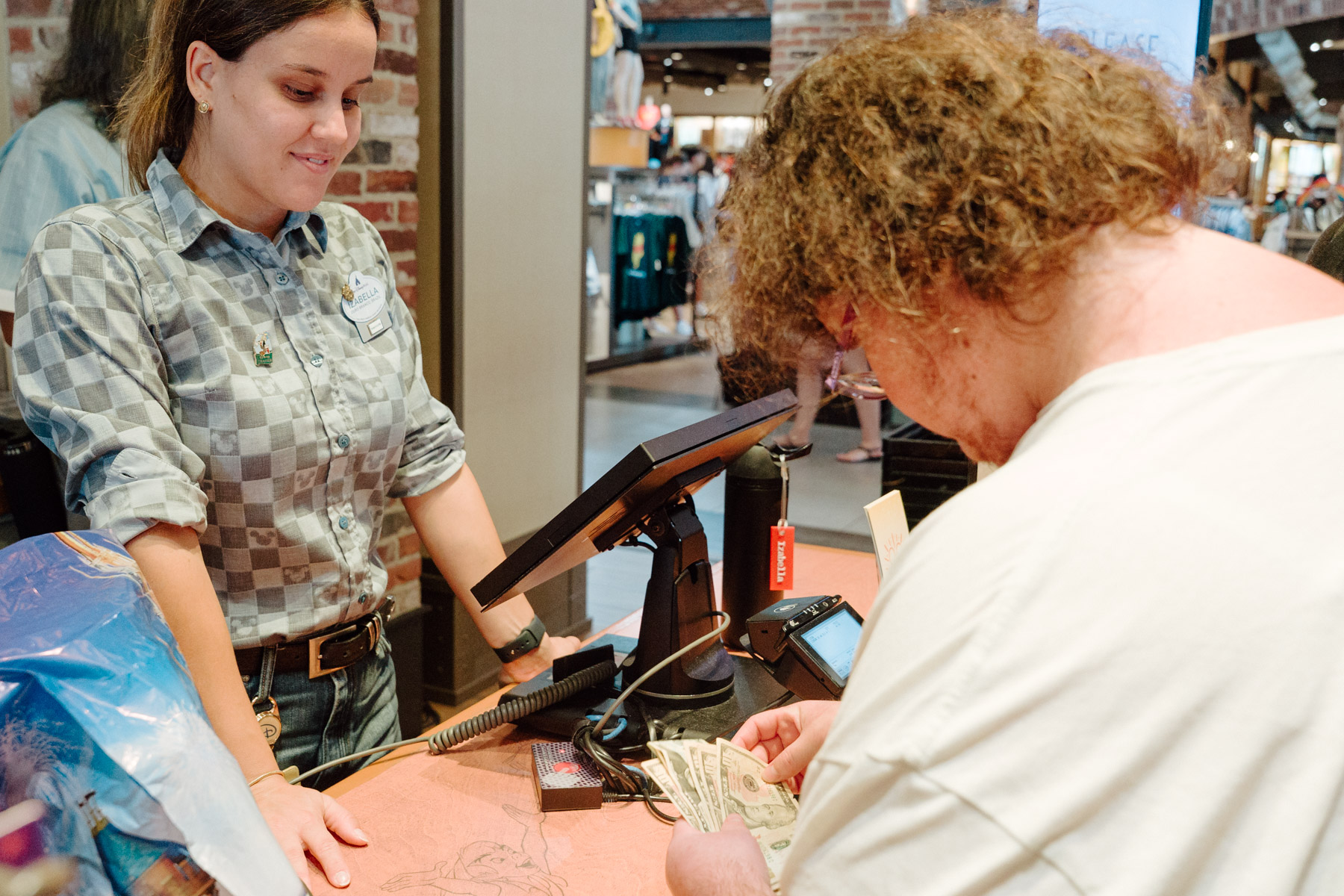
The group began by deciding where to eat lunch, and each participant had to determine how much of their budget to spend on their meal. With lunch behind them, they calculated how much money remained and began deciding how to use it. Some chose ice cream, while others prioritized clothing or souvenirs. A few opted to save their remaining money for a future outing.
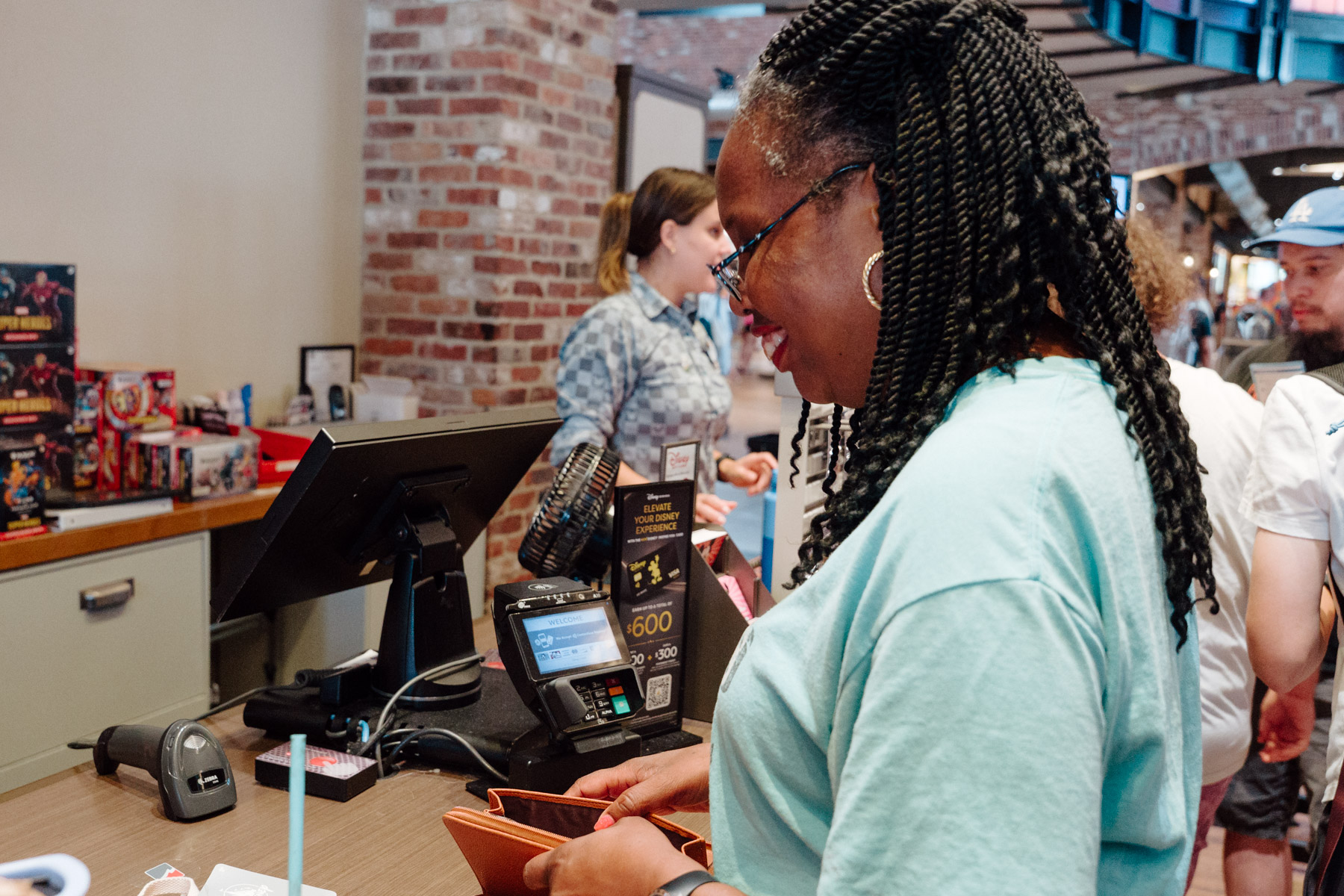
Every choice required participants to weigh competing priorities and consider how one spending decision might affect the next. For participant Lachelle, the experience was both memorable and meaningful.
“Disney Springs was the best trip ever,” Lachelle says. “The shopping experience, the walking experience, the ice cream experience. It was hot, but I enjoyed it. The budgeting was amazing. Ms. Frances teaches how to budget, save money and spend wisely.”
Expanding Opportunity through Community Support
Opportunities like these are essential. While participants are motivated and eager to learn, many have limited access to discretionary funds, which can restrict how often they can practice budgeting skills in the community.
As with most skills, mastery doesn’t come from explanation alone. Learning happens through experience, repetition and the opportunity to apply knowledge in meaningful, real-world settings.
Through Truist’s support for financial literacy initiatives at Quest, the Disney Springs outing gave participants a chance to put their skills into action — building confidence and reinforcing lessons that support smarter financial decision-making in everyday life.
Interested in helping create more moments like these? Learn how you can support Quest’s Training Centers and empower individuals with developmental disabilities to build life skills, achieve their goals and gain greater independence at Training Centers – Quest, Inc.

Connect with Quest!
Sign up for Quest’s monthly newsletter to get updates on programs, events and ways to support our mission.